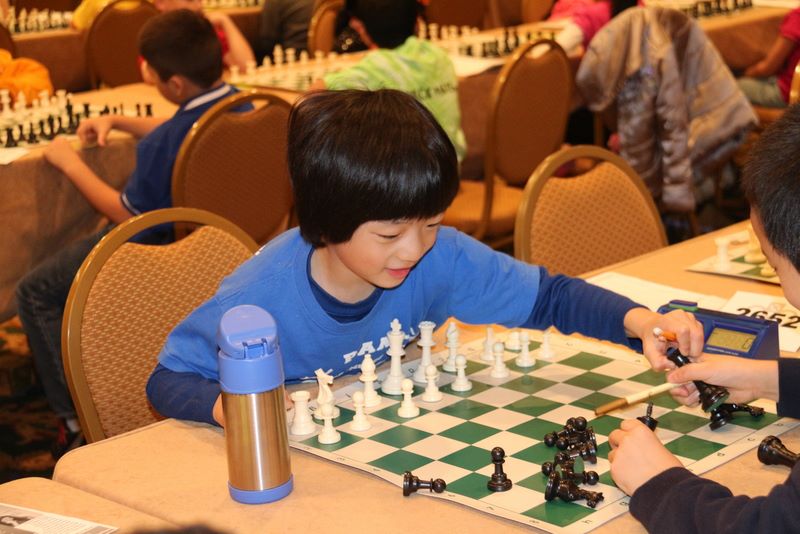
Next, picture the usual homework scene: two math problems in, your child is out of their seat, bargaining for snacks, or staring past the page. Then you set up a chessboard and, somehow, a 20-minute game happens where focus “sticks” long enough to finish, even if they still wiggle and ask questions.
That contrast is the point. Chess makes attention visible because every move has a consequence, and the feedback is immediate: hang a piece, and you feel it right away. For many kids, that clear cause and effect is easier to stay with than a worksheet where the payoff feels far away.
So what does real progress look like. With consistent practice over a few months, most kids can build sustained attention from about 5 to 10 minutes to 15 to 30 minutes, especially when games are short and the routine is steady.
If you do one thing, do this: track attention in time, not in feelings. A simple timer and a repeatable format beats guessing whether your child was “focused” today.
Here are the focus skills chess trains, in plain language:
Hold a goal in mind (protect the king, win material) while staying in the game
Pause before acting, even for 3 to 5 seconds, to check for a threat
Return attention after a mistake instead of quitting
Shift focus between the whole board and one tactical problem
A common mistake is to push kids into long, slow games right away. If your child struggles after 10 minutes, start with 10-minute games or mini-challenges like “win a hanging piece,” then add time only when they can finish without melting down.
By the end of this post, you’ll know which skills chess builds, what measurable progress looks like at home, and how to choose a next step that matches your child’s attention span. If you’re short on time, skip fancy puzzles and do three things this week: one 10-minute game, one 5-minute review of the biggest mistake, and one rematch with the same opening.